

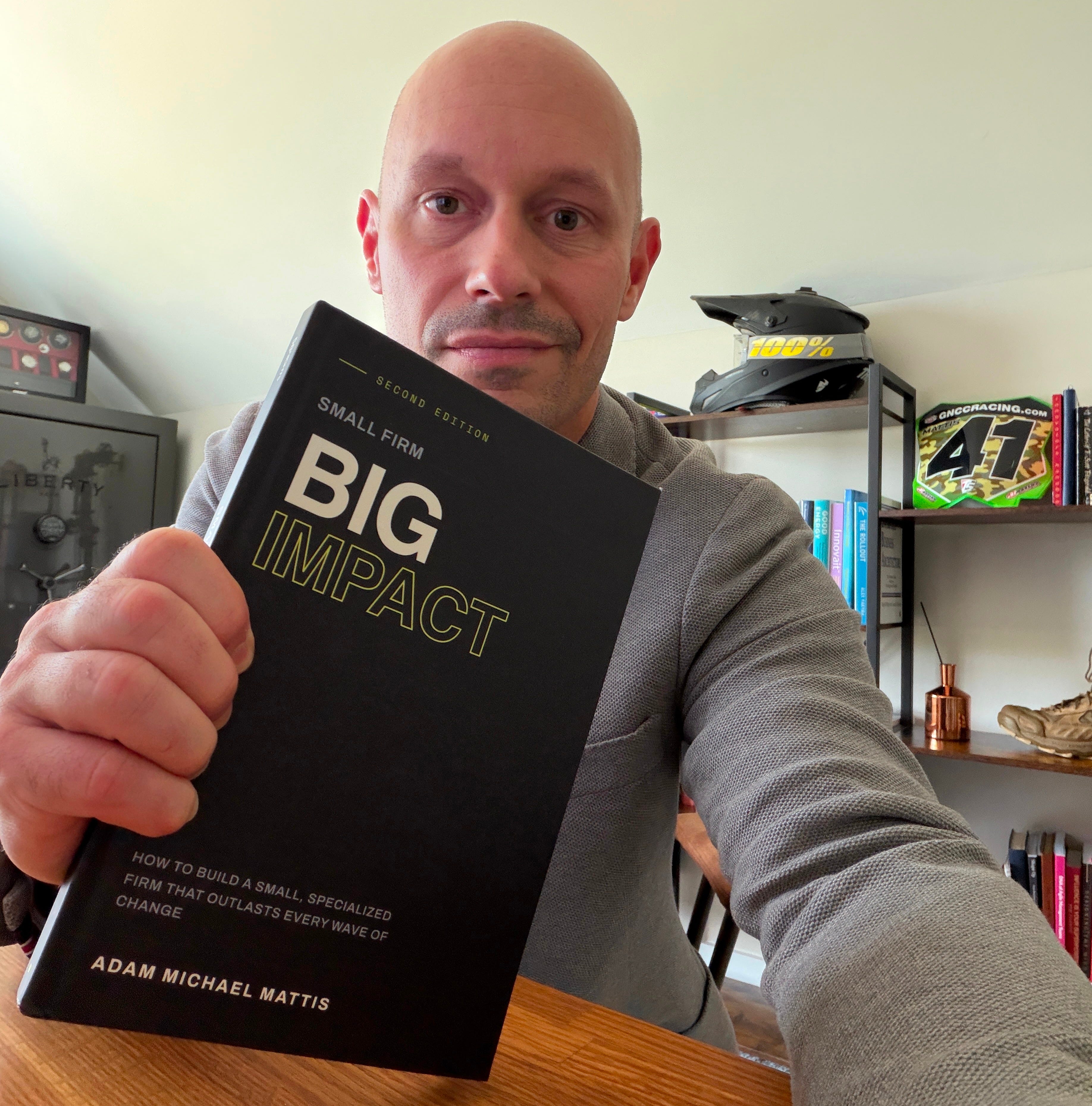
I read less in 2026 than I used to, which probably comes as no surprise if you’ve ever had a 21-month-old in the house. I still found time to turn a few pages and listen to a few books, and here’s what I got to, including a couple I’m still working through.
–AM
Code of the West
Zane Grey
I read this old Western in a yellow clothbound edition that I picked up at The Biltmore. After a year of reading about how fast everything changes, I liked having a book in the stack that’s been around for a century.

The Daily Dad
Ryan Holiday
Holiday gives you one short reading a day, which is about the right format for me with Ford still little. A page about paying attention lands differently when there’s a kid right in front of you asking for yours.

Drownproof
Andy Stumpf
Stumpf draws on his time in the Navy to write about composure and accountability under pressure. If you liked the military leadership books on my 2023 list, this one belongs alongside them for what it says about how people respond when a plan falls apart.

Empowered
Marty Cagan and Chris Jones
Cagan and Jones write about what leaders owe the teams they ask to solve hard problems. Giving a team room to work sounds straightforward until it comes back with a solution you wouldn’t have picked.

The Fourth Option
Jack Carr and M. P. Woodward
Jack Carr is my guilty pleasure. It’s the guys version of trashy romance novels.

The Hormone Handbook
Greg Brannon
Greg Brannon writes about bioidentical hormones and how he approaches hormone care. I recently became a patient of Dr. Brannon and I cant recommend his approach enough.

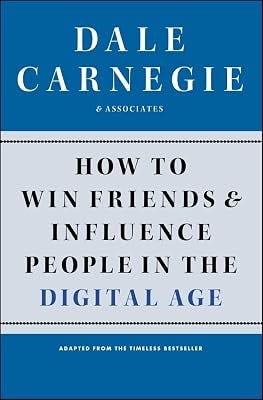
How to Win Friends and Influence People in the Digital Age
Dale Carnegie & Associates
This update to Carnegie’s book applies his advice to the conversations we now have by email and online. Showing genuine interest takes a little more effort when the other person can’t hear your tone, and a thoughtful follow-up can do more for a relationship than another message about what you need.
Inspired (Second Edition)
Marty Cagan
Cagan puts a question in front of anyone about to write a roadmap: What evidence do we have that customers want what we’re planning to build? It’s much cheaper to answer that before a team starts building.

Maintenance: Of Everything, Book One
Stewart Brand
Brand writes about the work that starts after the ribbon cutting, when somebody has to keep the thing running long after the people who built it have moved on. I wish more technology budgets accounted for that work from the start.

Output to Outcome
Mik Kersten
Kersten asks what happens when AI lets a company produce work faster than it can decide which work is worth doing or measure what it accomplished. I have collaborated with Kersten over the years, and his thoughts always leave an impression on my work.

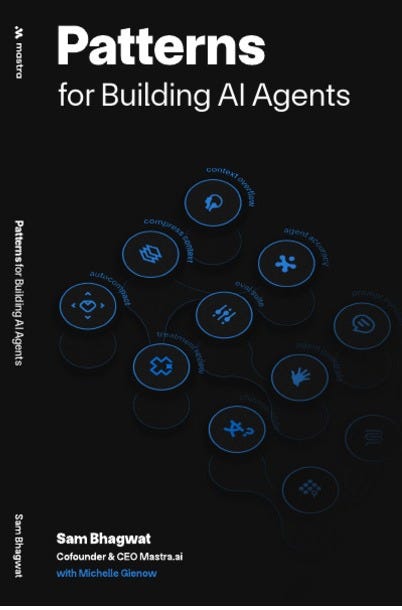
Patterns for Building AI Agents
Sam Bhagwat
Of Bhagwat’s two books, this one spends more time on decisions you face when building agents. I’d keep it nearby when working out which steps need a model to make a judgment and which can run as ordinary software.
The Performance Machine
Adam Michael Mattis
I wrote this about how companies make decisions about performance reviews, rankings, and layoffs. It’s for employees trying to understand how those decisions get made and managers who have to make and explain them.

Principles of Building AI Agents
Sam Bhagwat
Bhagwat explains how agents use tools, work with context, and fit into the software around them. It’s a useful introduction if you want to understand what the software actually has to do before you start building.

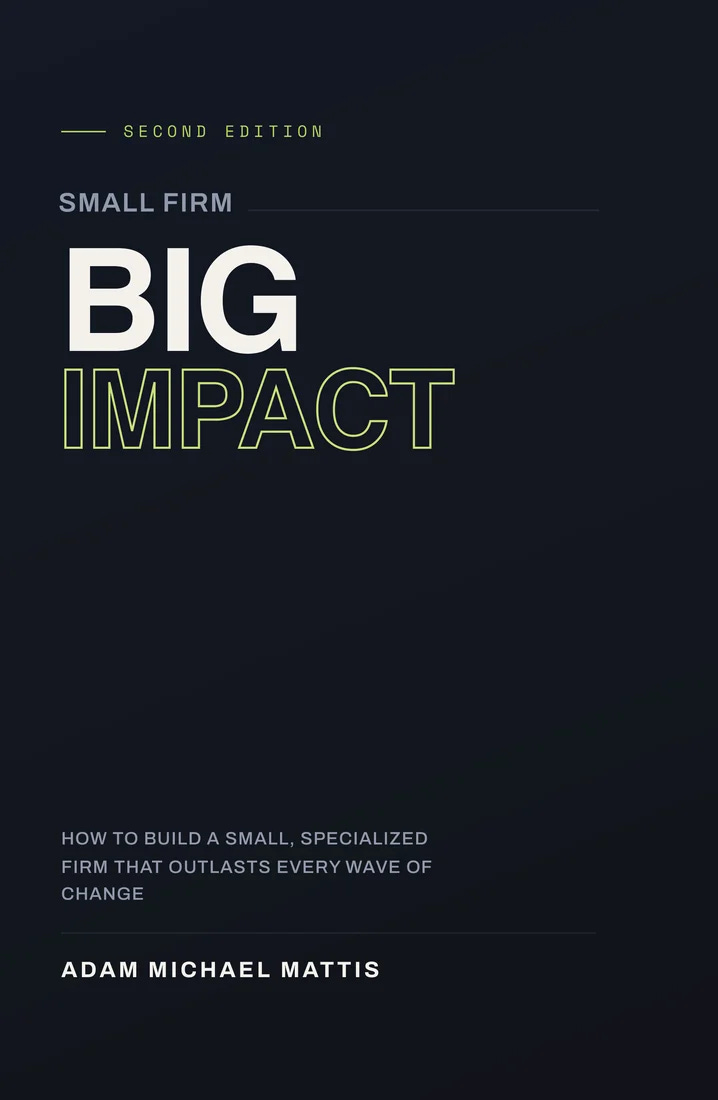
Small Firm. Big Impact. (Second Edition)
Adam Michael Mattis
I started my first consulting company in a college apartment, and this is the book I would have liked to have then. It’s about choosing what your firm does well, earning repeat business, and staying in business as clients change what they’re willing to pay for.
Think Again
Adam Grant
Grant makes the case for getting better at changing your mind. Before I spend an hour in a meeting defending a position, it’s worth asking what evidence would make me reconsider it.

Transformed
Marty Cagan
Cagan takes on what has to change when a company adopts a product operating model, especially who gets to make decisions and what teams are accountable for. You find out how much has changed when a team makes a reasonable bet, it fails, and leadership has to decide what happens next.

The Trusted Advisor
David H. Maister, Robert M. Galford, and Charles H. Green
I’m still listening to this one, and it gets at something that’s easy to overlook after years in consulting. Your advice can only go so far when a client doesn’t yet trust you enough to tell you what’s actually going on.

I’m already looking for books to put on the 2027 list, so tell me what you read this year that I should look into next!